Remote-controlled therapeutics,
now nonfiction.
Imagine
What We Do
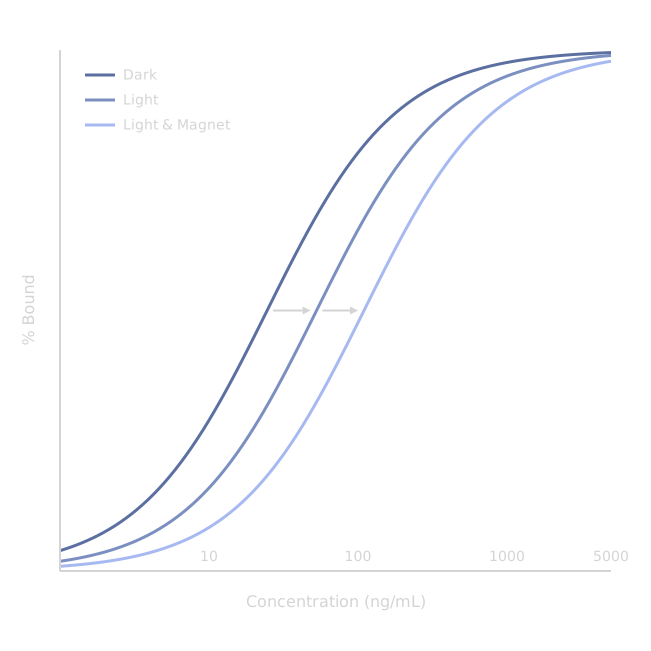
We’ve created the world’s first strongly magnetically-responsive proteins. With simple, non-invasive magnetic fields, we can remotely activate drugs deep within the body, providing unmatched precision, reversibility, and safety.
Precision
Targeted drug activity where it’s needed, sparing healthy tissue.
Control
Activate or deactivate therapeutics remotely in seconds.
Efficacy
Greatly reduce systemic toxicity, enabling higher safe doses.
Modularity
Quickly adapt masking to clinically-validated antibodies.
Introducing MagBodies
Applications
Our Team
CEO
Richard Fuisz
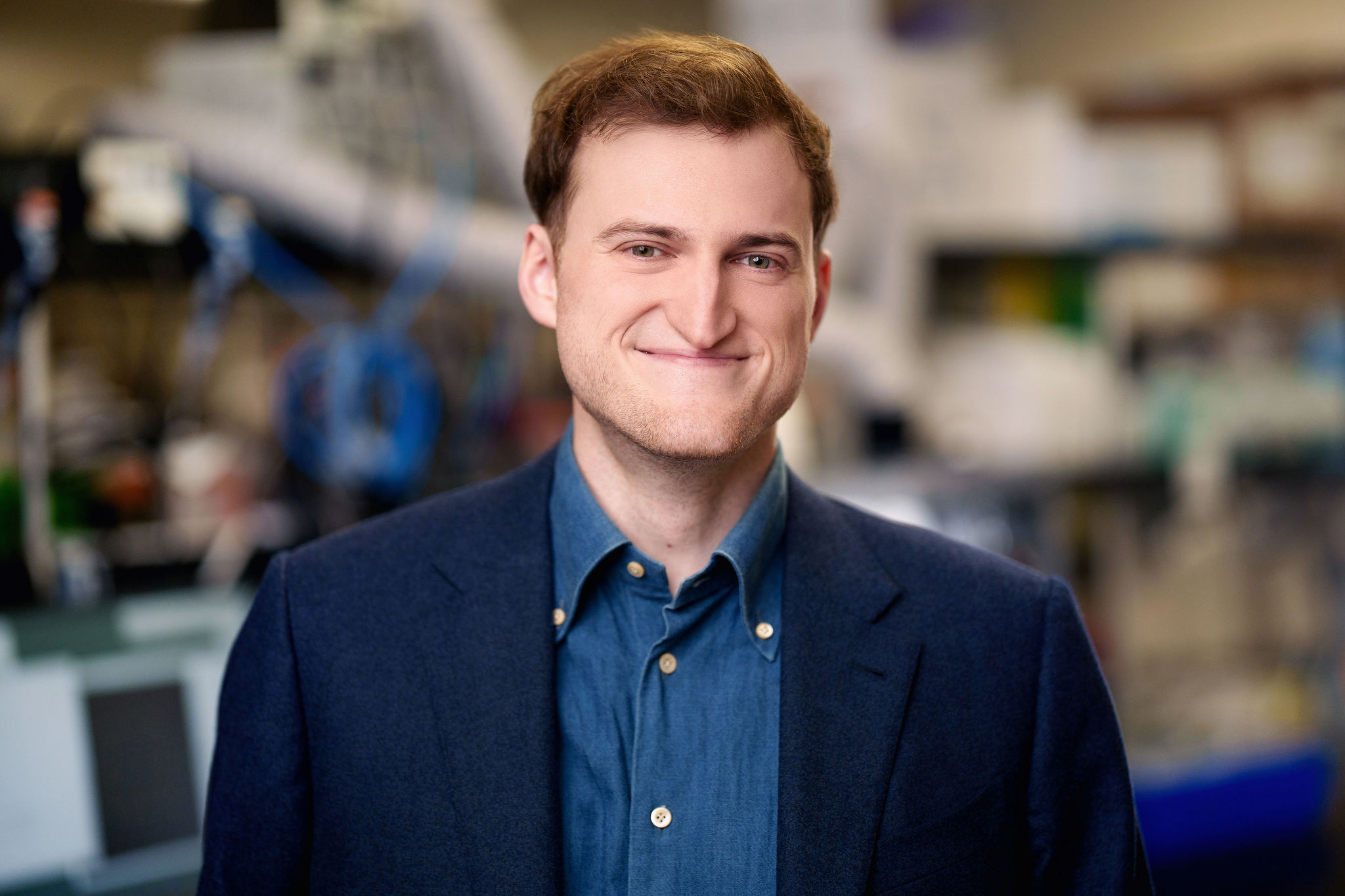
Richard is a co-founder of Nonfiction, where he is developing magnetogenetic tools to enable precise, noninvasive control of protein therapeutics using modest magnetic fields. Richard Fuisz is a co-inventor of several patents, including several related to magnetogenetic control of protein therapeutics. Prior to Nonfiction Labs, Richard founded DNA-synthesis company Templa Nucleics, was a founding team member of Arcadia Science and FutureHouse. Richard received his B.S. in Bioengineering at Stanford University.
CSO
Maria Del Mar Ingaramo
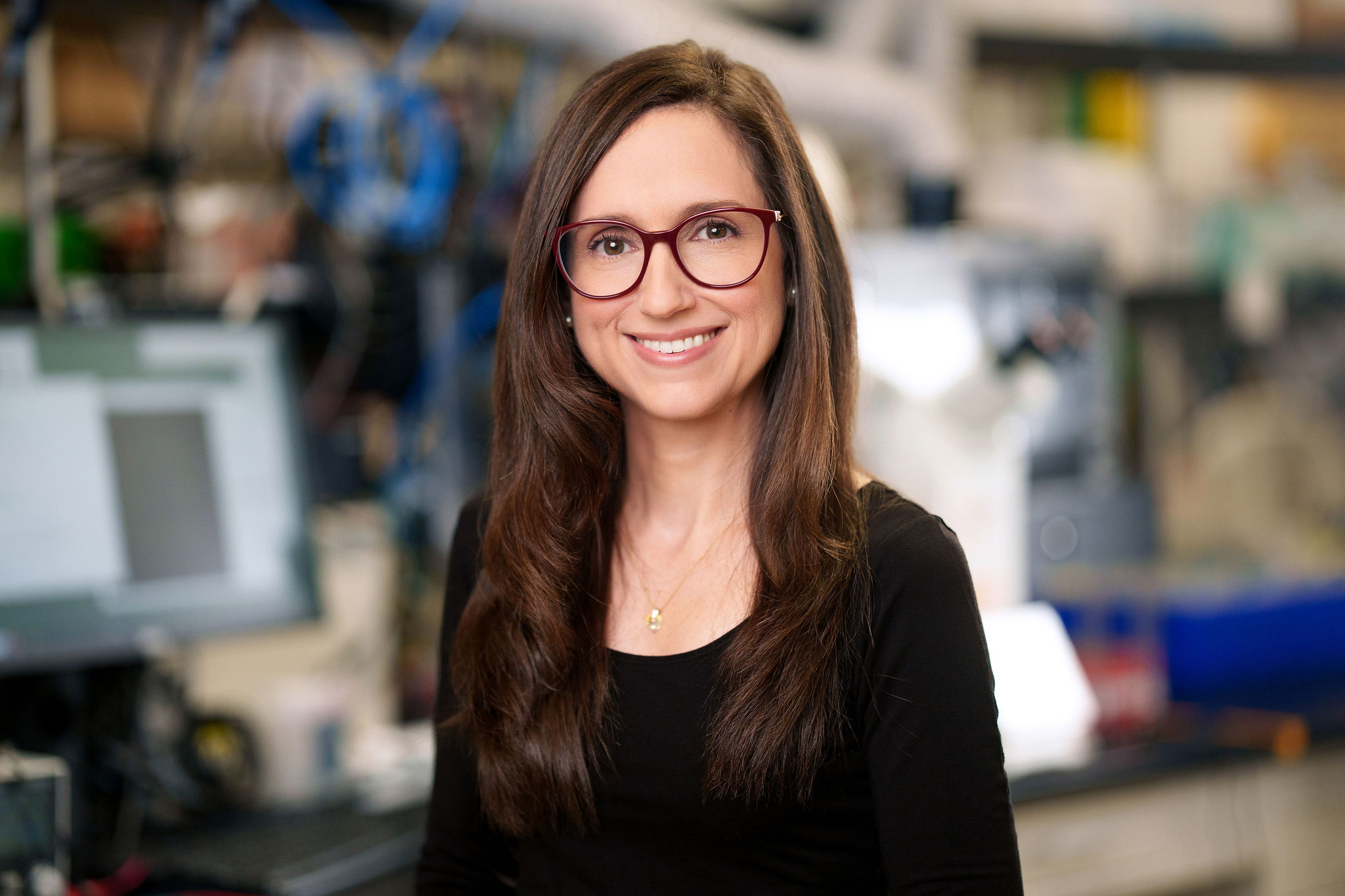
Maria is a co-founder of Nonfiction, where she is advancing magnetogenetic control of protein therapeutics using modest (~10 mT) magnetic fields. Prior to Nonfiction, María discovered that fluorescent proteins respond to magnetic fields, and engineered the first large-response magneto-protein, MagLOV. Earlier, she completed her post-doctoral work with George Patterson, building advanced microscopy systems and marrying probe design with cutting-edge imaging.
Scientist
Rebecca Frank Hayward
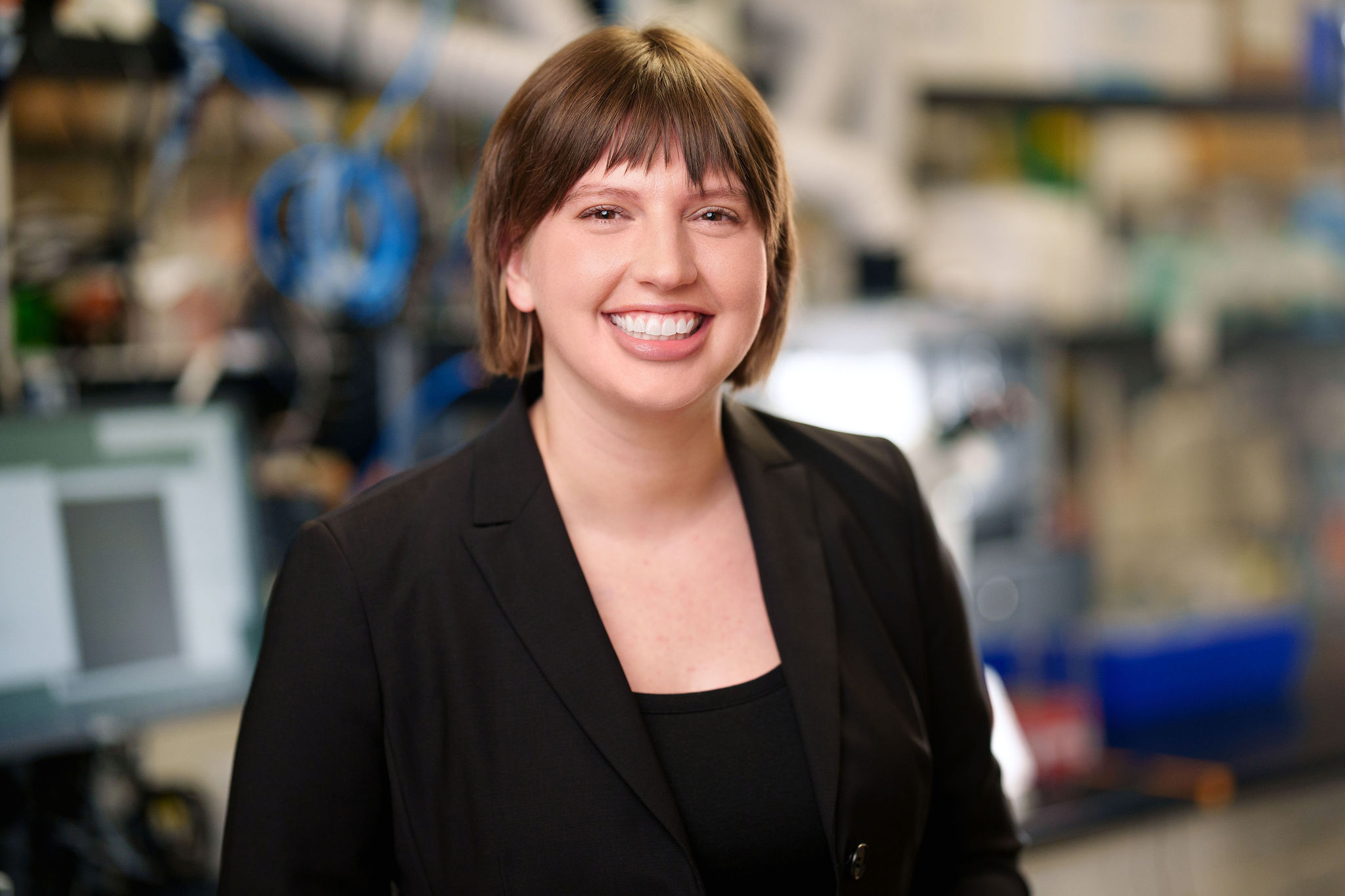
Rebecca develops next-generation light- and magnetically-controlled proteins, drawing on expertise at the intersection of protein engineering, fluorescence microscopy, and patterned-light stimulation. Prior to Nonfiction Labs, Rebecca built all-optical electrophysiology platforms in Adam Cohen’s laboratory at Harvard and contributed to the discovery of magnetic field control of fluorescent proteins in Andrew York’s laboratory at Calico. Rebecca received her Ph.D. from Harvard University.
Scientist
Regina Mencia
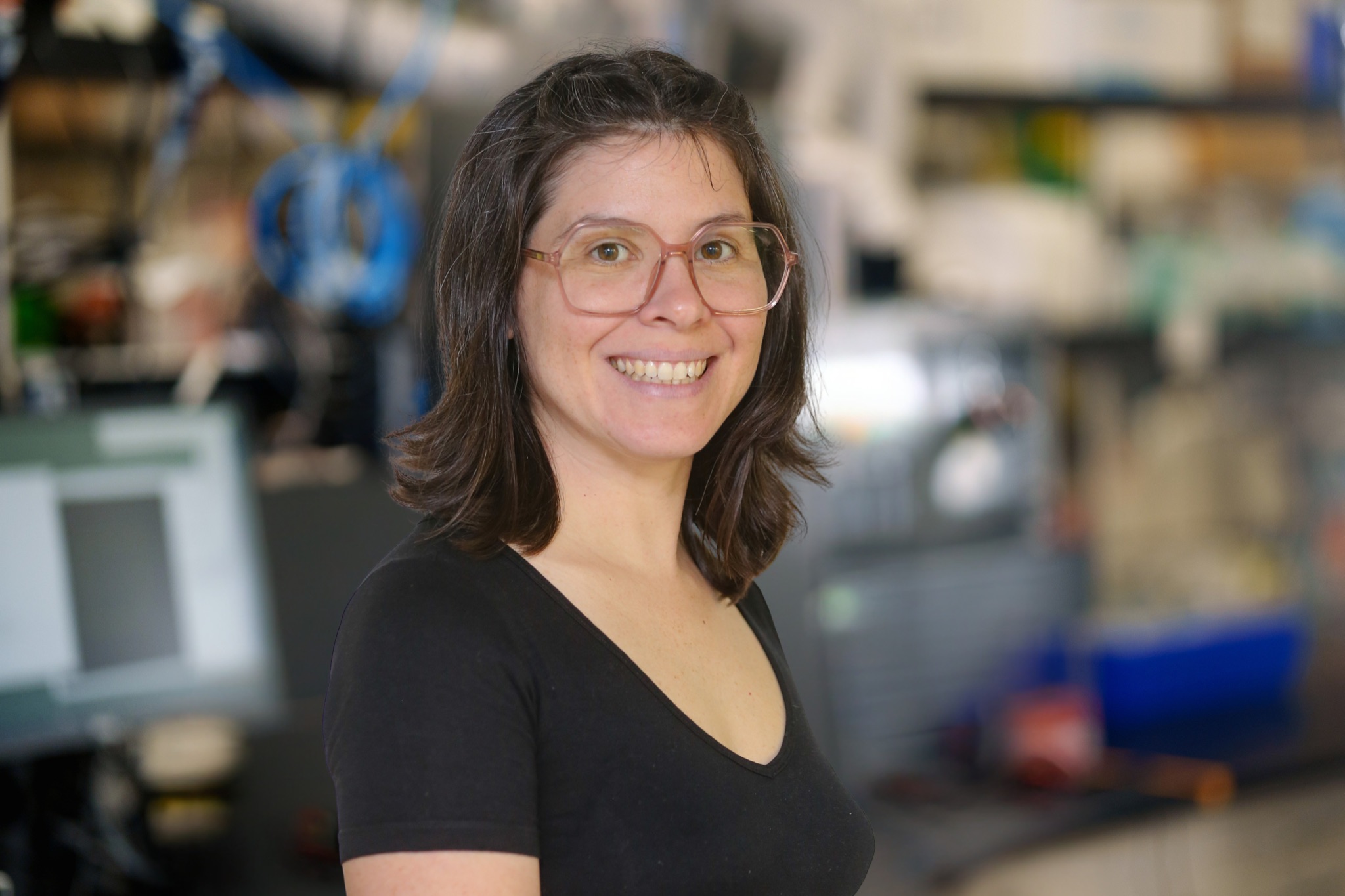
Regina develops magnetically controlled protein systems for precise, noninvasive biological control. Prior to Nonfiction, Regina worked as a postdoctoral researcher at the Max Planck Institute for Biology in Tübingen, Germany, where she brought expertise in gene regulation and molecular engineering as a trained plant epigeneticist. Regina received a dual Ph.D. from Universidad Nacional del Litoral (Argentina) and TU Dresden (Germany).
Scientist
Maria Clara Ingaramo
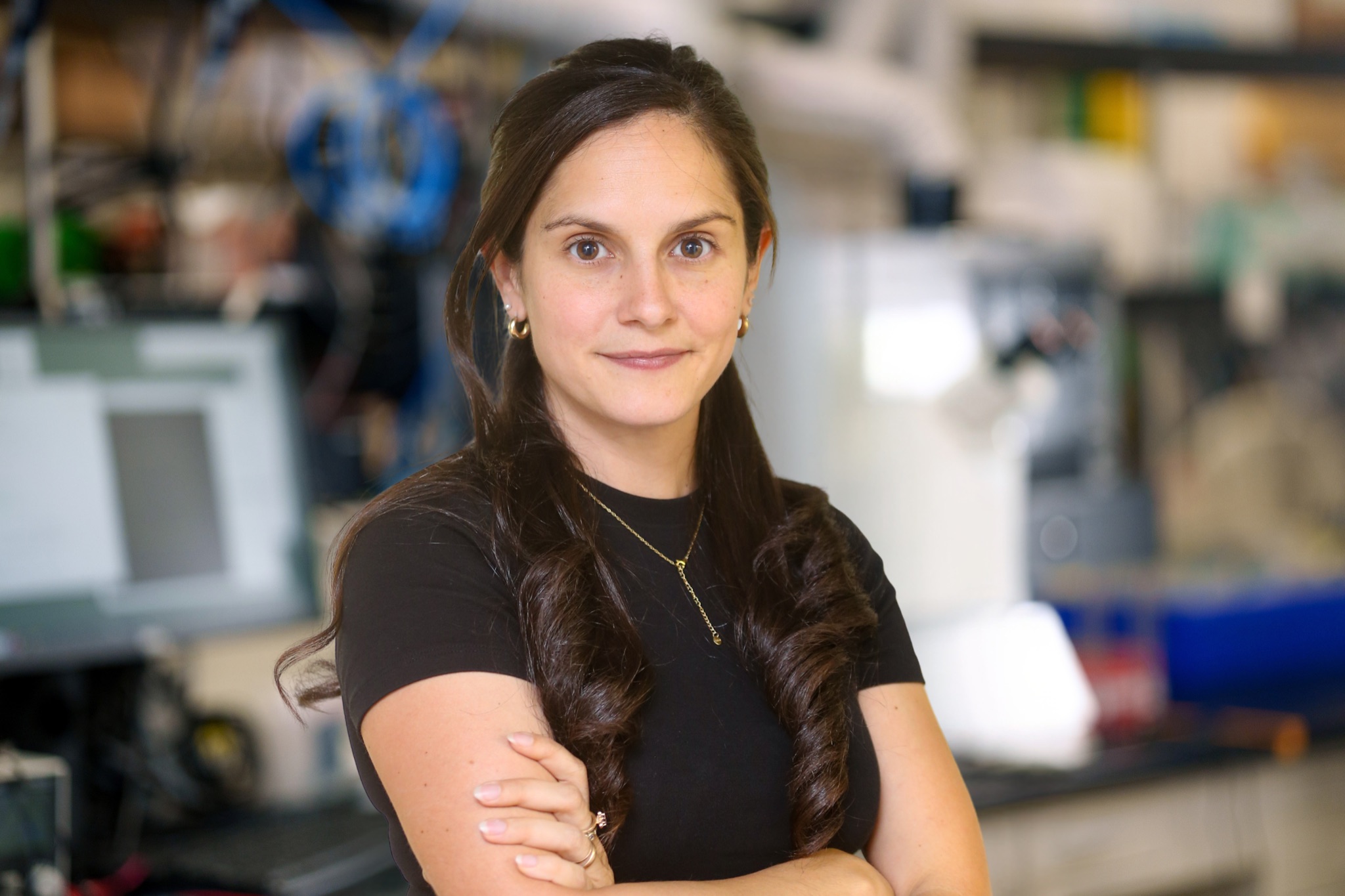
María Clara works on protein screening systems to support the selection and optimization of MagnetoTherapeutics at Nonfiction. Prior to Nonfiction, María Clara worked on protein function, autophagy, and metabolic regulation using Drosophila as an in vivo model. She gained experience in fluorescent reporter development during research stays at Harvard Medical School (Perrimon lab) and Calico. María Clara received her Ph.D. and completed postdoctoral training at CONICET–UNL in Argentina.
Scientist
Andres Dekanty
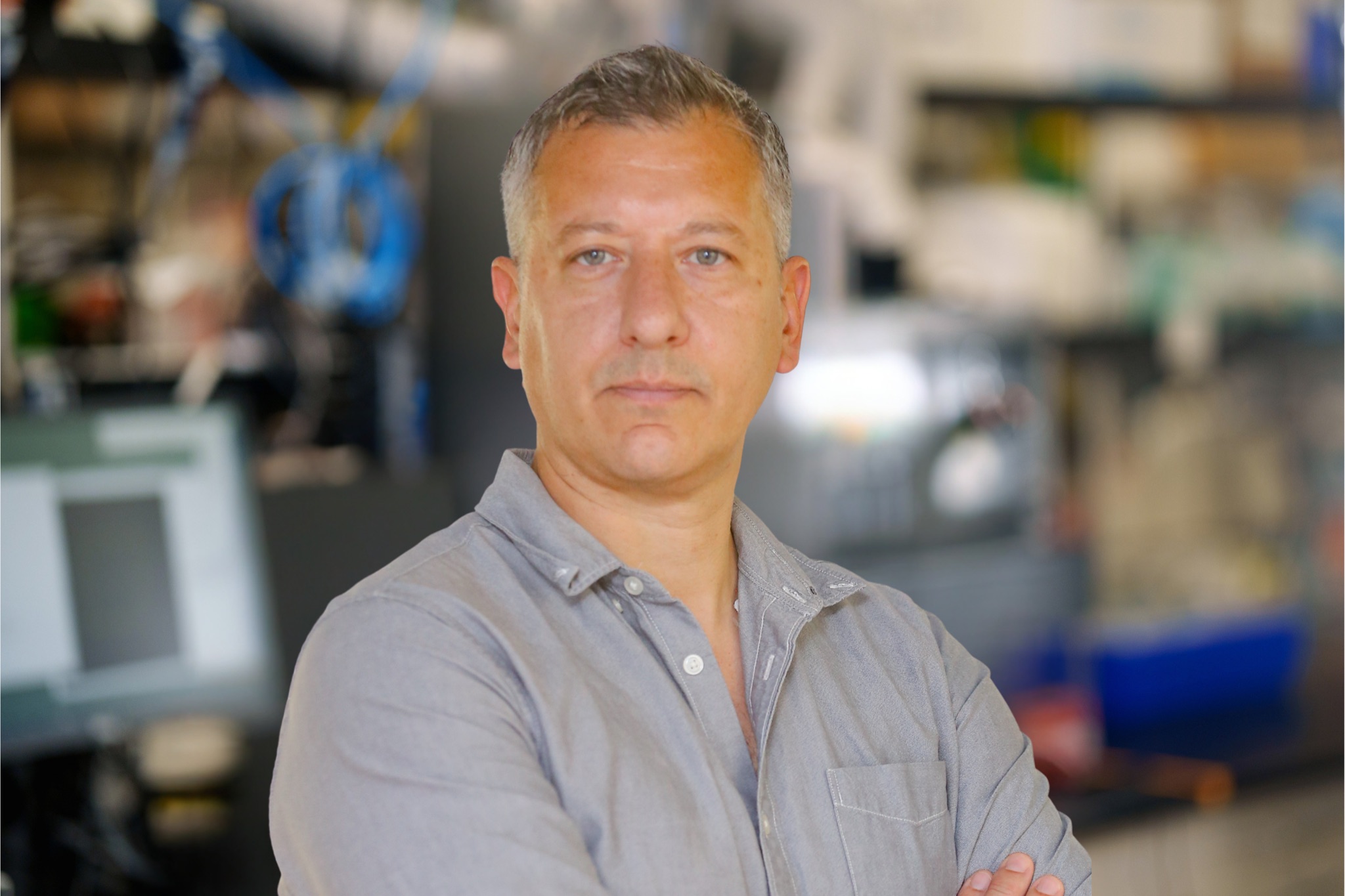
Andrés leads laboratory operations for Nonfiction’s Argentina site, overseeing facility build-out, equipment procurement, and local team coordination. His research spans over 20 years in genetics, cellular, and molecular biology. Andrés received his Ph.D. from the Instituto Leloir / Universidad de Buenos Aires and completed postdoctoral training at IRB Barcelona.
Scientist
Paula Wagner
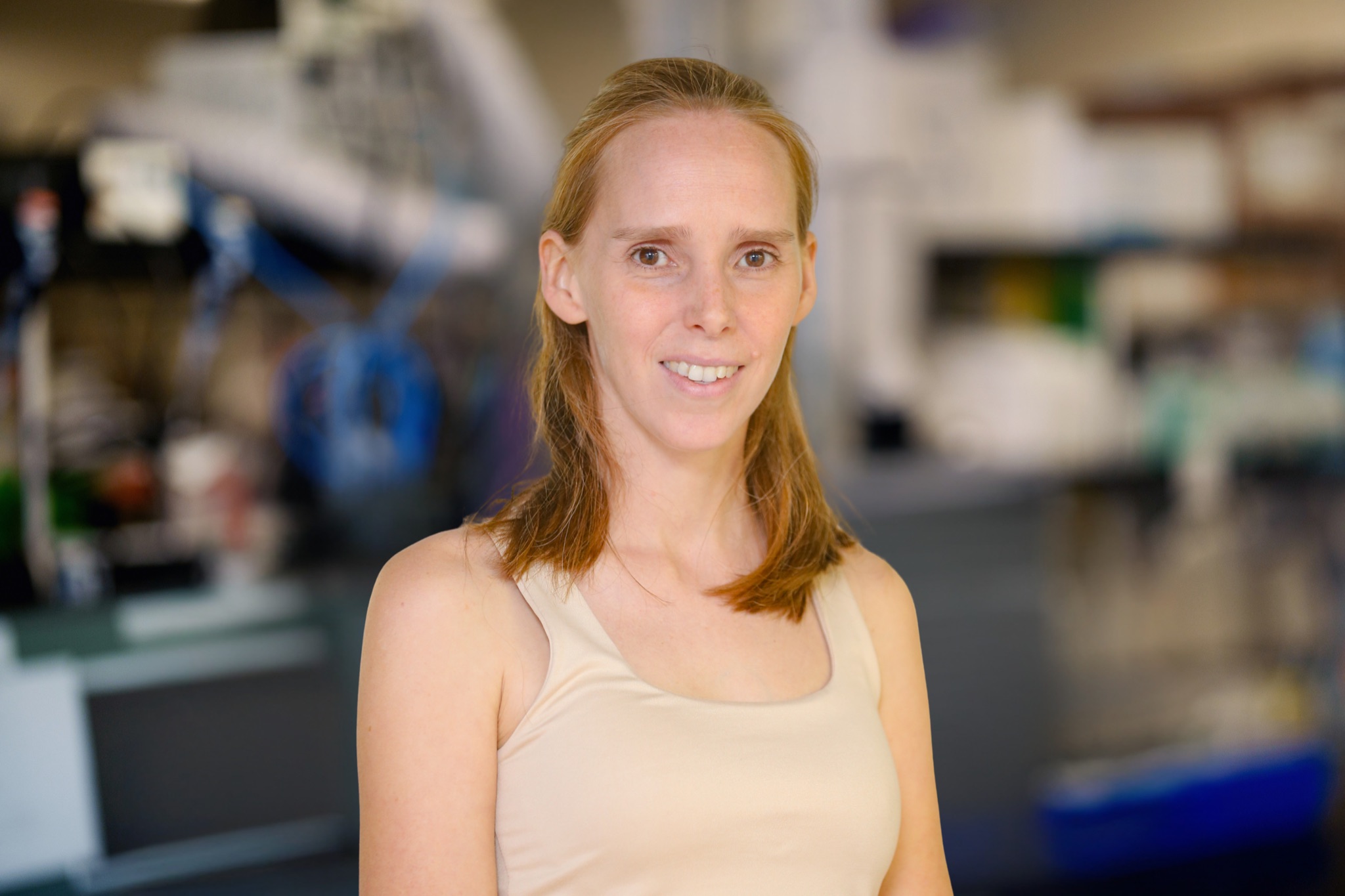
Paula optimizes engineered protein constructs at Nonfiction Labs, leveraging large-scale site-directed mutagenesis to enhance enzymatic magnetogenetic control. Prior to Nonfiction Labs, Paula conducted research as a chronobiologist examining how circadian proteins influence glioblastoma growth, uncovering chronochemotherapy strategies for brain tumors. Paula received her Ph.D. in biotechnology with expertise in circadian biology and cancer metabolism.
Scientist
Pablo Torti
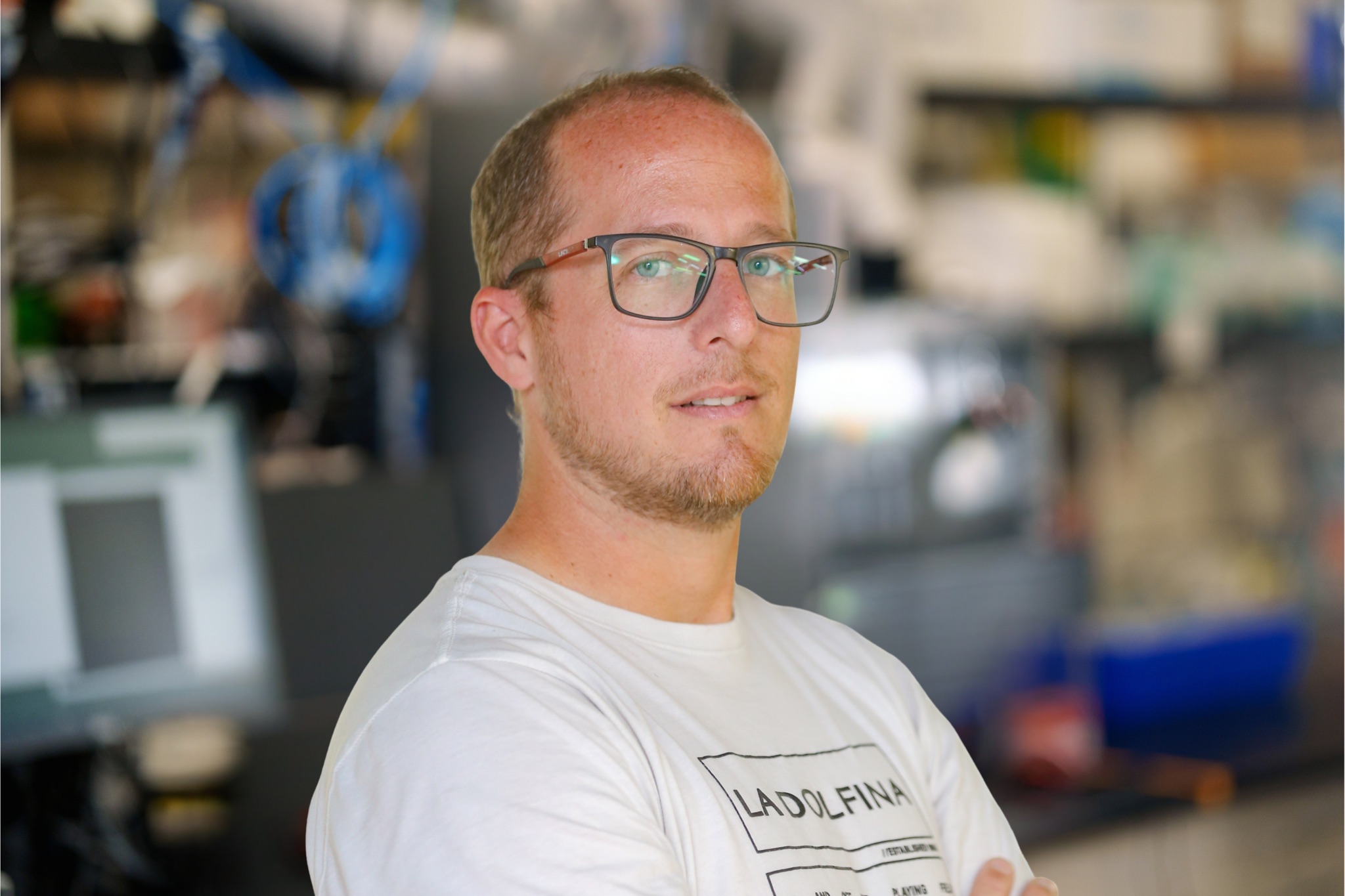
Pablo designs, produces, and tests magbodies that target novel targets, contributing to the development of Nonfiction’s therapeutic asset pipeline. Prior to Nonfiction Labs, Pablo completed postdoctoral training in protein nanobioengineering at IPROBYQ (CONICET), specializing in recombinant protein design and scale-up. Pablo received his Ph.D. in Biological Sciences from Universidad Nacional del Litoral.
Scientist
Nadia Gonzalez
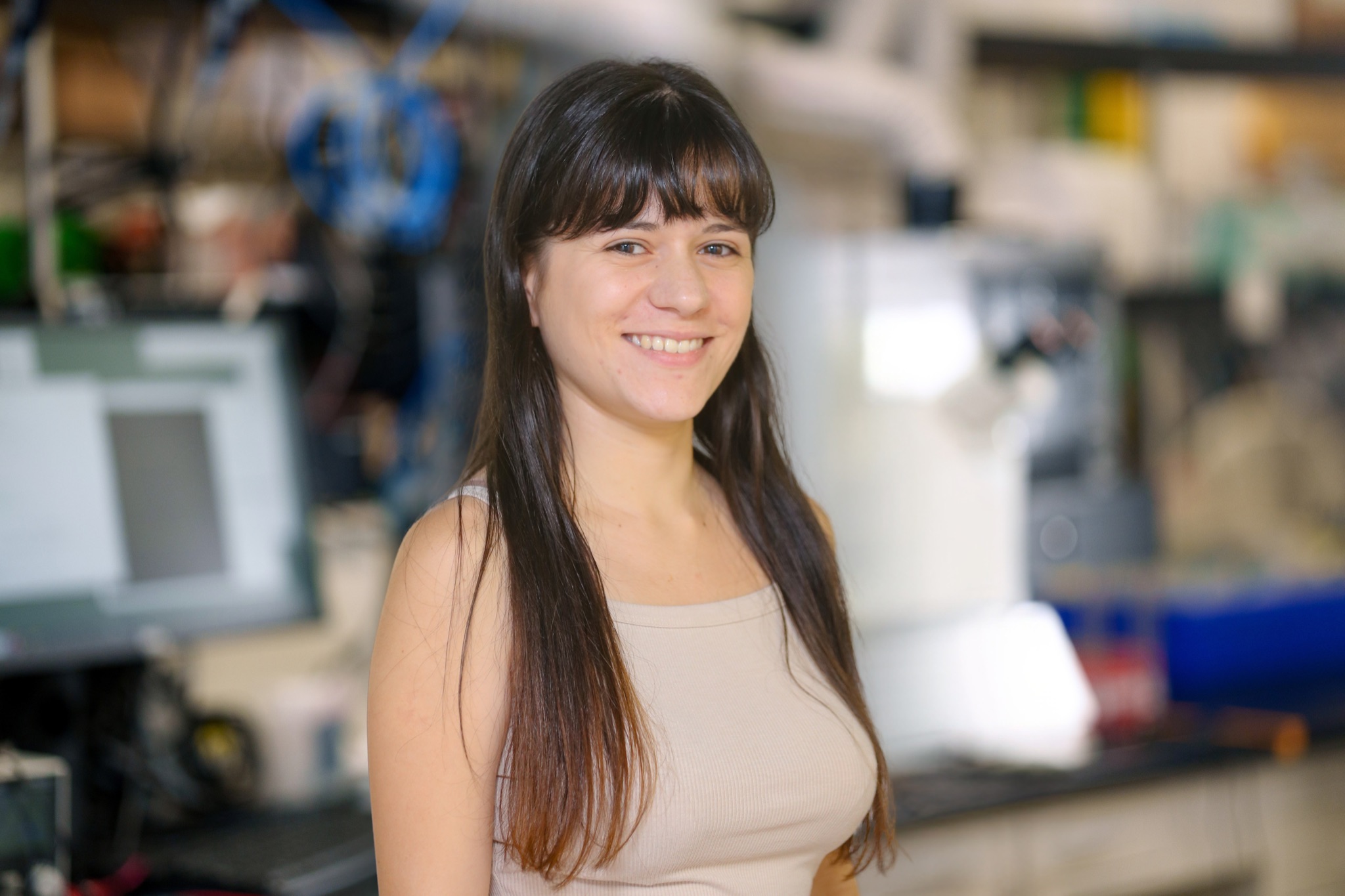
Nadia implements and optimizes laboratory techniques at Nonfiction Labs, including protein production and purification, ELISA assays, and technical support across research and development activities. Prior to Nonfiction Labs, Nadia developed expertise in molecular biology, cell culture, and protein engineering through her doctoral research. Nadia received her Ph.D. in Biological Sciences.
Scientist
María Jesús Leopold
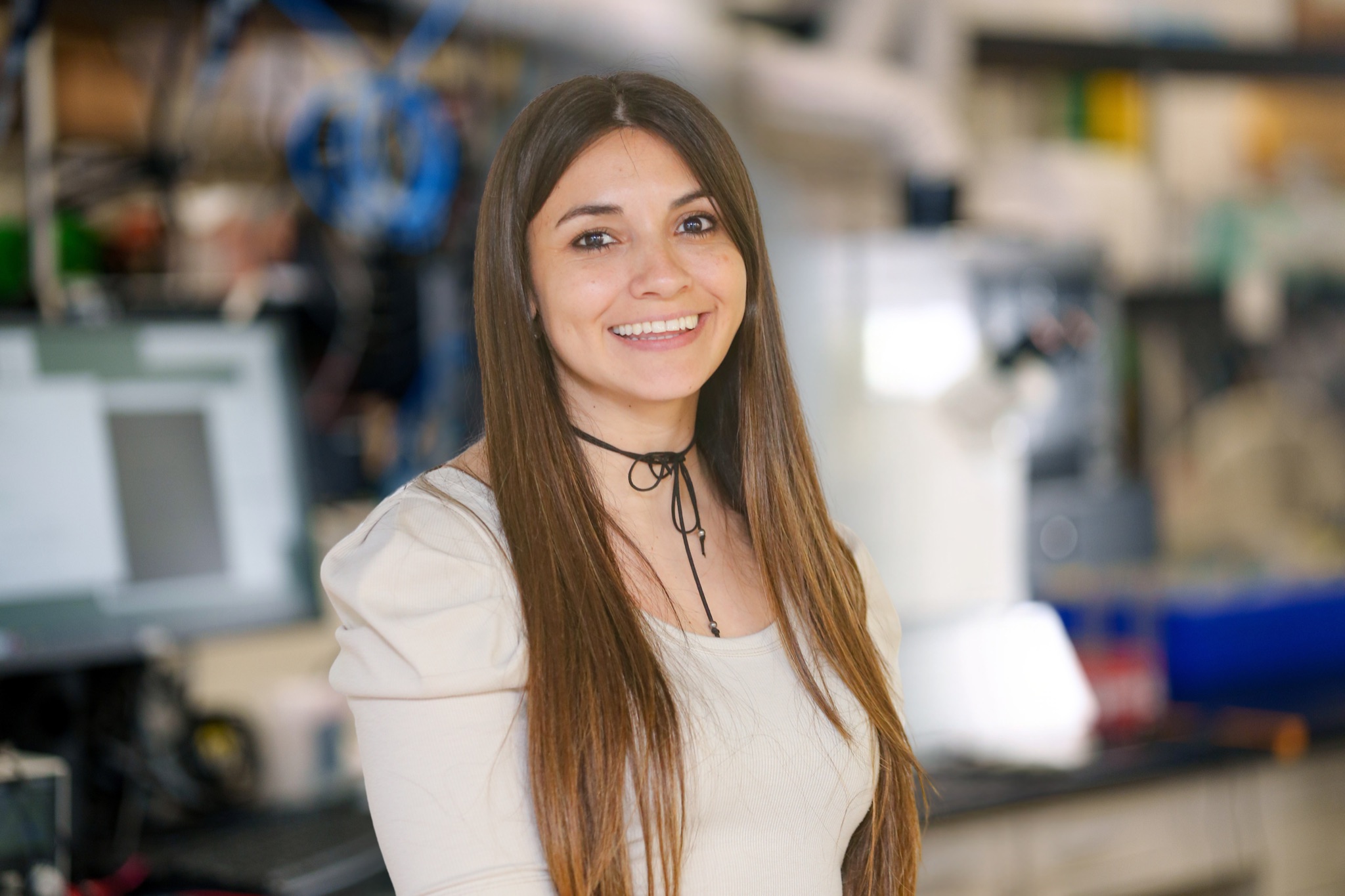
María Jesús designs, produces, and tests magbodies that target novel targets, contributing to the development of Nonfiction’s therapeutic asset pipeline. Prior to Nonfiction Labs, María Jesús worked extensively on therapeutic protein engineering, including expression in mammalian cell systems and monoclonal antibody production, purification, and characterization. María Jesús received her Ph.D. in Biological Sciences from Universidad Nacional del Litoral.
Scientist
Paige Creeks
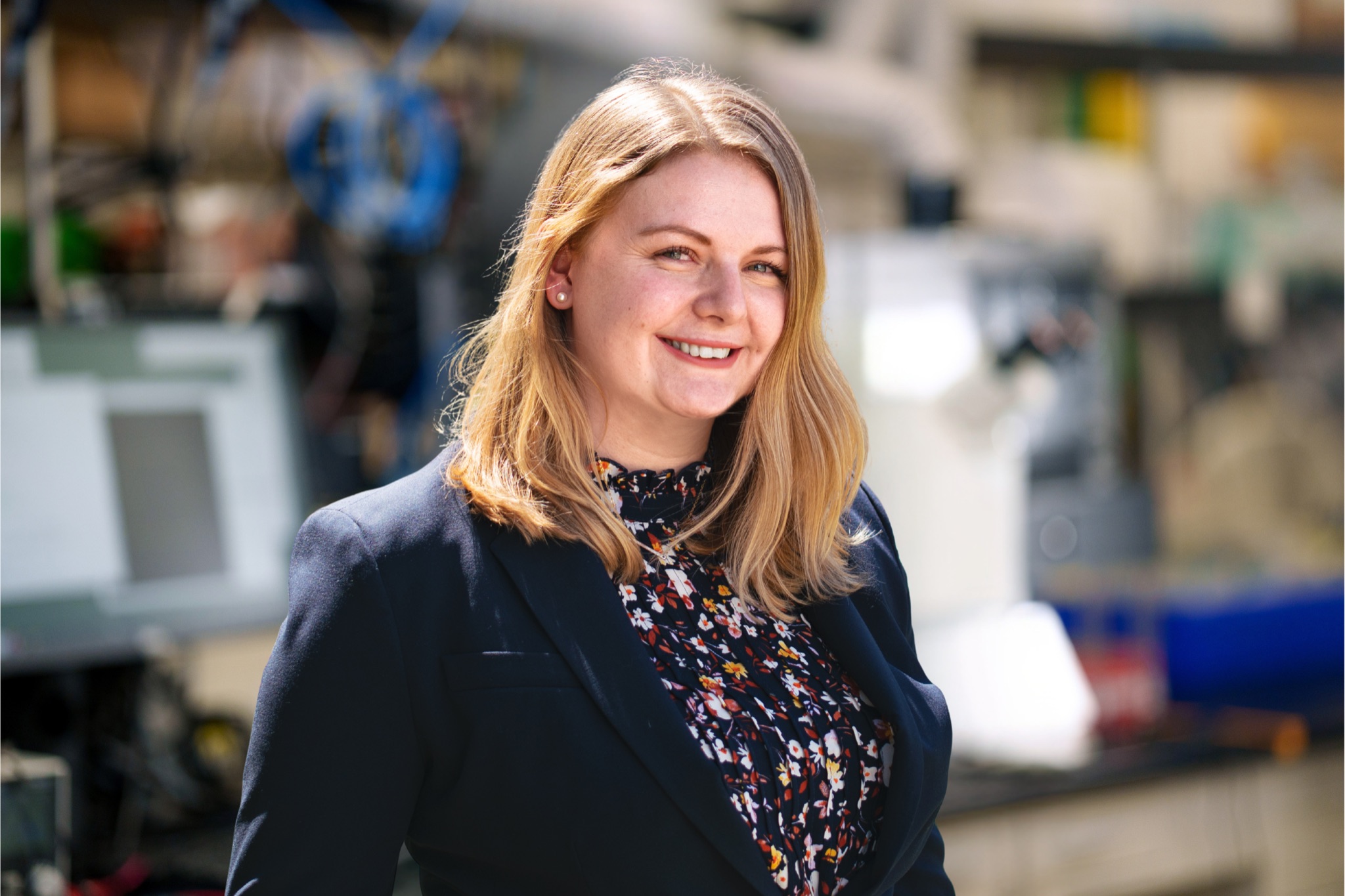
Paige screens novel magnetogenetic binders and proteins, scaling our screening capabilities and developing robust manufacturing protocols. Prior to Nonfiction Labs, Paige worked on IgE monoclonal antibody (mAb) discovery, developing novel therapeutic platforms for immune-mediated diseases. Her research background includes extensive work in genetic engineering and protein characterization assays. Paige holds a background in molecular biology with specialization in therapeutic antibody development.
Scientific Advisor
Andrew York
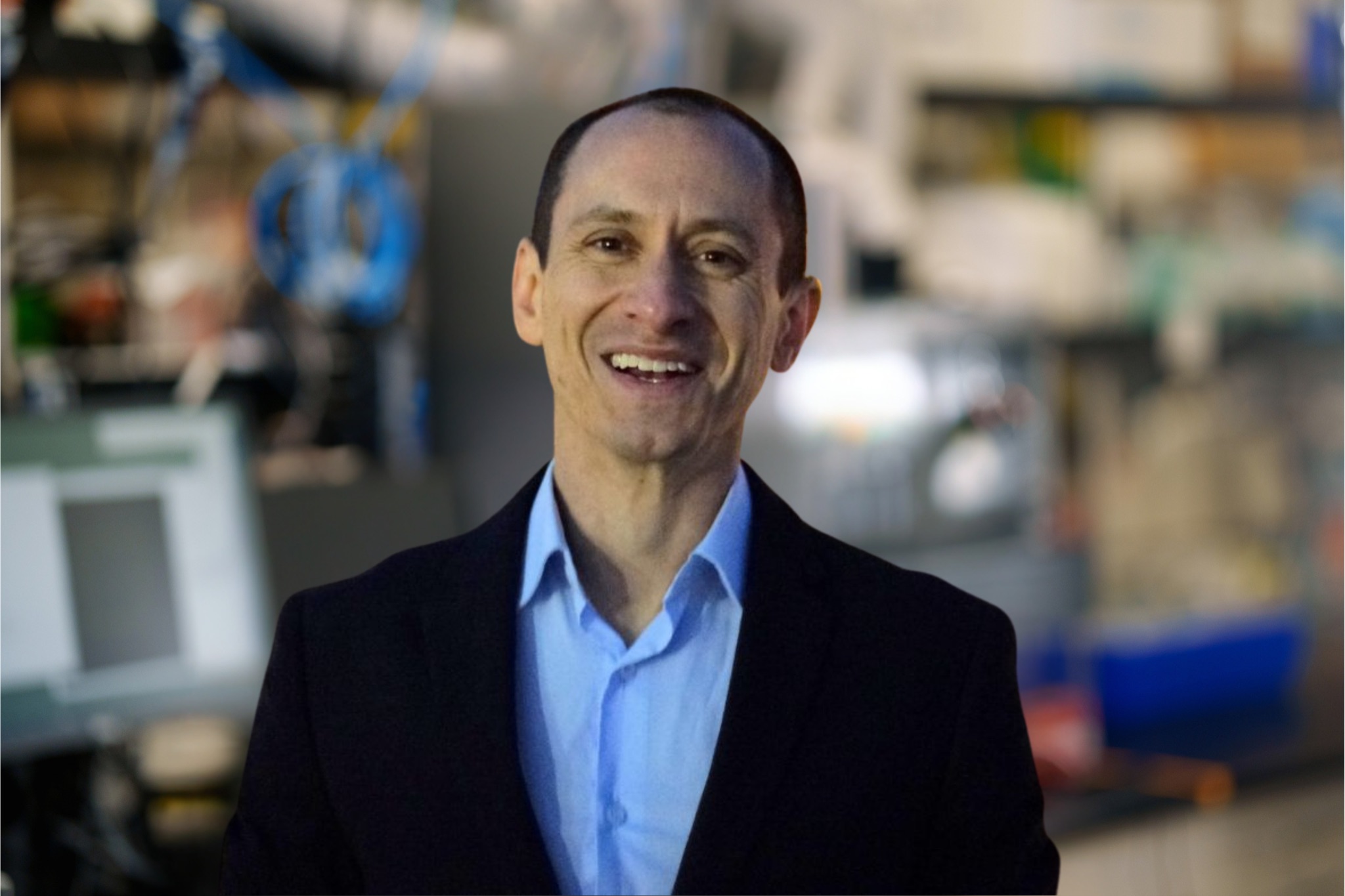
Andrew advises Nonfiction Labs on imaging techniques and magnetogenetics. Previously, Andrew led a research group at Calico Life Sciences where he co-discovered magnetic field control of fluorescent proteins. Andrew has made significant contributions to the field of magnetogenetics, including the co-discovery of magnetic field control of fluorescent proteins and contributions in optical physics, super-resolution imaging, and light-matter interactions.
hiring
Join Our Team
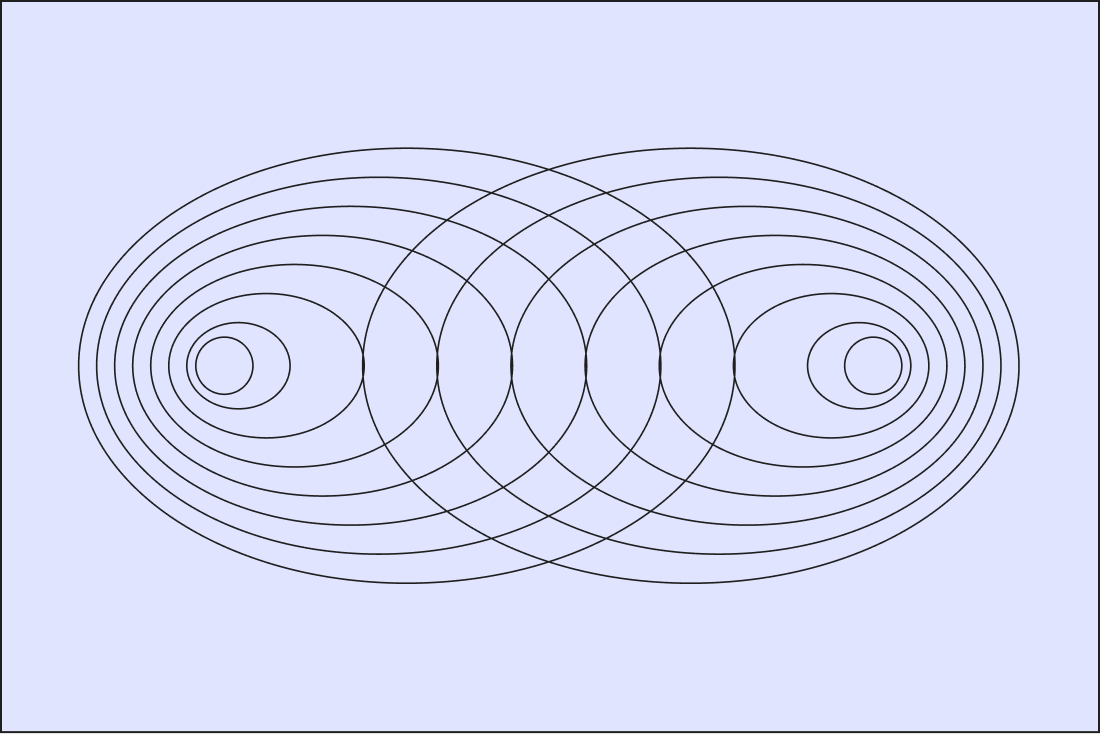
We’re looking for exceptional scientists to help advance magnetogenetic therapeutics.
GET IN TOUCHhiring
Join Our Team
We’re looking for exceptional scientists to help advance magnetogenetic therapeutics.
GET IN TOUCH